champagne
“My only regret is that I have not drunk more champagne in my life”
Where better to experience the Weekend Wine Life than with the most glamorous, effervescent drink of them all…Champagne.
A visit to Champagne is like an ultra-luxurious pub crawl along one of the world’s most opulent streets, the Avenue de Champagne. This is in the self-proclaimed capital of Champagne, Epernay, where Champagne houses stand shoulder to shoulder inviting you to wander along and taste their sparkly offerings whilst millions of bottles rest in a labyrinth of underground cellars beneath your feet.
The experience itself is priceless. Whether sipping in an enviable front garden, touring the legendary cellars of the biggest Champagne houses, strolling through vineyards, or even floating above it all in a hot air balloon, Champagne is always within reach.
Here's the best part: A visit to this prestigious wine region doesn't have to break the bank, or require time off work.
the info
-
If visiting just for a weekend, Épernay - the capital of Champagne - is very straight forward to do, whether you fly, drive or take the train.
For full details on how to visit Champagne for a weekend, see Champagne Itinerary.
-
Whilst in Champagne, purchase Fossier Biscuit Rose de Reims*. This secret recipe has been made for over 250 years and whilst they are nothing special to eat on their own, dip them in Champagne for an enhanced experience.
Champagne itself is a very versatile and easy wine to pair. Famous pairings include oysters, smoked salmon, fried chicken and fatty cheeses, as well as being enjoyed on its own. Do not stress about savoury food matches with Champagne, chances are it will work.
*Reims is another excellent city in Champagne to visit, but not as easy to see for a weekend.
-
Avoid the Crowds: If you are travelling by car from the UK, book your trip for after the school holidays and you won’t have to battle with the queues at the ferry.
Plan Ahead: Note that some vineyard houses and supermarkets close early on Sundays.
Dinner Reservations: Always make restaurant reservations in advance if you’re planning on eating out.
-
Ready to live the Weekend Wine ife in Champagne?
You can find a suggested travel itinerary with recommended hotels and restaurants and a reservation check list right here;
what is champagne?
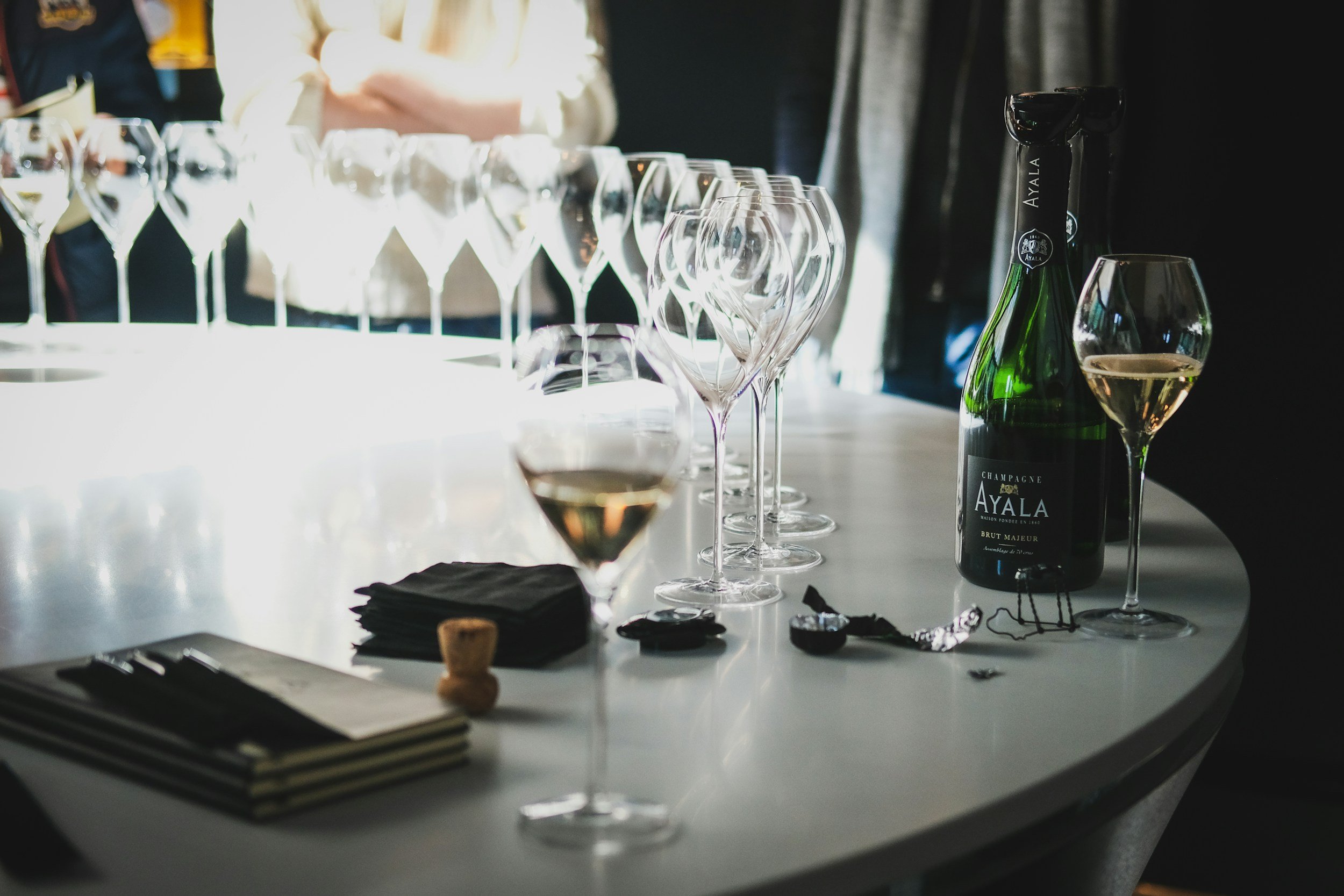
Eight grape varieties are permitted in Champagne, but three dominate with 99.9% of the plantings:
- Chardonnay (White)
- Pinot Noir (Red)
- Pinot Meunier (Red)
How it's made
Champagne undergoes a unique double fermentation process. The first fermentation occurs like any other wine, where yeast converts the sugar in the grape must into alcohol and CO2. The magic happens during the second fermentation, initiated by the addition of sugar and yeast (the ‘Liqueur de Tirage’). Unlike the first fermentation, where CO2 is released, in the second fermentation the CO2 is trapped in the bottle, creating the iconic fizz. This process is known as the 'traditional method.' So, next time you hold a bottle of Champagne, remember it’s the very bottle where the bubbles were born.
How does it taste?
Expect marvellous flavours of baked brioche, dough, and toasty aromas, mingling with ripe apples. Some Champagnes also reveal hints of lemon peel, honey, or even red berries.
useful terminology
Blanc de Blancs - Blanc de Blancs is a white wine crafted exclusively from white-skinned grapes. This means the Champagne is made entirely from white grape varieties, most commonly Chardonnay.
Blanc de Noir - Blanc de Noirs is a white wine made from red-skinned grapes, such as Pinot Noir and Pinot Meunier. During the winemaking process, the skins aren't used, so the final product retains none of the colour.
Rosé Champagne - Rosé Champagne is created by adding a small amount of still red wine to the Champagne blend, before the second fermentation.
Vintage Champagne - Despite what its name might suggest, Vintage Champagne does not denote age. Instead, it signifies that all the grapes used in the production were harvested in a single year—one with exceptional weather conditions. Only the finest years are declared a 'vintage,' and Champagne houses like Dom Pérignon produce their Vintage Champagne exclusively in these standout years.
Non-Vintage Champagne - Non-vintage Champagne is crafted from grapes grown in multiple years. These grapes are blended to achieve a consistent and signature house style.
Sweetness Levels- Sweetness in Champagne refers to the level of sugar in the wine, which is determined by the dosage, a mixture of sugar and wine added after the second fermentation and disgorging. The sweetness level can vary, and Champagne is classified based on the amount of residual sugar per litre. 'Brut Nature' is the driest of Champagnes and 'Doux' being the sweetest. Here they are listed in order:
Brut Nature (zero): 0-3g/l of residual sugar, containing the least calories per glass.
Extra Brut: 0-6g/l of residual sugar.
Brut: 0-12g/l of residual sugar.
Extra Dry: 12-17g/l of residual sugar.
Dry: 17-32g/l of residual sugar.
Demi-Sec: 32-50g/l of residual sugar.
Doux: 50+g/l of residual sugar, making it the highest calorie and sweetest Champagne.
Nestled in northeast France, Champagne has been crafting its legendary bubbles since the early 19th century, though winemaking here dates back even further. A charming rumour credits Dom Perignon, a Benedictine monk, as the 'inventor of Champagne', and many tourists line up for the classic photo with his statue.
But the truth is, Champagne’s creation was a slow and steady journey, not a sudden discovery. In the beginning, those iconic bubbles were a nuisance for winemakers, causing weak glass bottles to explode under pressure.
To be called Champagne, the wine must come exclusively from the Champagne region. Anything else is merely sparkling wine. No exceptions.
A Brief history
